Electric vehicles are now a normal part of the Swiss car market. That means insurance is no longer a niche topic. It is now a practical question for drivers who want to understand how cover works, what it costs, and what makes car insurance for electric vehicles (EV) different from cover for petrol or diesel cars.
At first glance, the structure is familiar. In Switzerland, every registered car still needs third-party liability insurance. But when it comes to car insurance for electric vehicles, the details matter more. Battery value, charging equipment, repair costs, and brand-specific repair networks can all shape the level of protection that makes sense.
That is why choosing the right EV cover is not only about meeting the legal requirement. It is also about protecting a vehicle with a different cost structure and a different risk profile.
What Is Car Insurance For Electric Vehicles?
Car insurance for electric vehicles is standard Swiss car insurance adapted to EV ownership. It still begins with mandatory liability insurance, then expands through partial casco, full casco, and optional add-ons depending on the vehicle, the insurer, and the driver’s needs.
The legal framework is the same as for other cars. The real difference is in the risk profile. Electric vehicles often raise additional insurance questions around:
battery damage
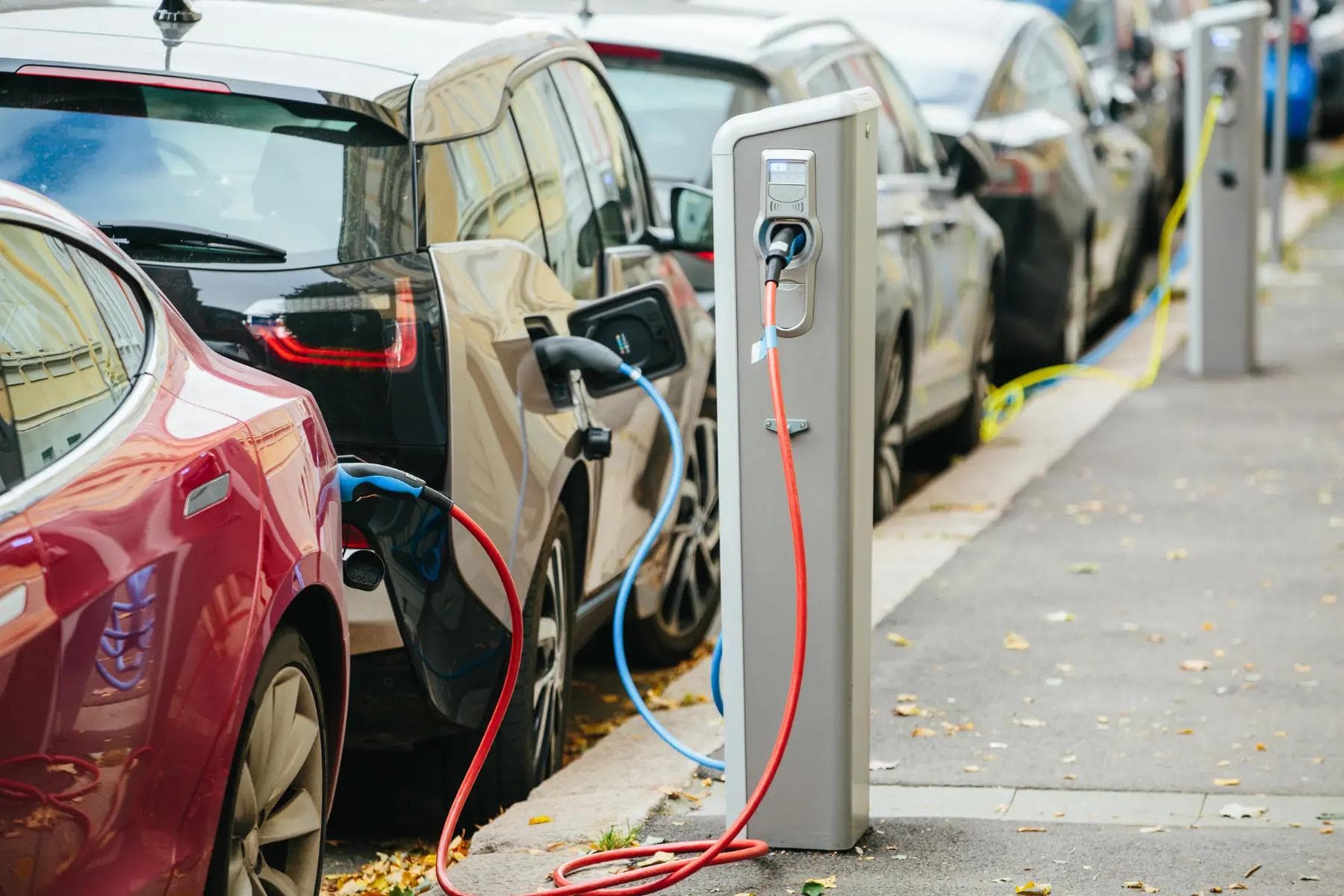
charging stations and charging cables
expensive electronic systems
specialized repairs
brand-approved workshop access
roadside assistance for EV-specific breakdowns
This is why an EV policy should not be judged only by whether it includes casco. It should also be judged by whether it reflects how the vehicle is actually built and used.
Is EV Insurance Mandatory in Switzerland?
Yes, at the base level.
In Switzerland, every vehicle must have third-party liability insurance before it can be registered. That includes electric cars. Liability insurance covers damage or injury caused to others. It does not cover damage to your own EV.
That is where optional protection becomes important:
Partial casco usually covers theft, fire, natural events, glass damage, and similar non-collision risks.
Full casco adds collision damage to your own car, including damage caused in an accident you are responsible for.
For many EV owners, especially those with a new, financed, or leased vehicle, full casco is often the more realistic choice. The higher the value of the car, the less useful the legal minimum tends to be on its own. Discover more about the main types of Swiss car insurance.
What Does EV Car Insurance Usually Cover?
At the base level, EV insurance covers the same main categories as any other car. The real question is how far the policy goes once you move beyond liability.
optional EV-specific cover for battery and charging equipment
Some Swiss insurers now specifically highlight battery and charging-station protection as part of their EV offer. That is why comparing prices alone is rarely enough. Two policies may both look comprehensive, but the EV-specific scope can differ a lot.
Costs of Swiss EV insurance: What Affects the Premium?
One of the most common questions is whether EV cover is cheaper or more expensive than insurance for a combustion-engine car. The honest answer is that EV insurance costs in Switzerland depend on several factors, including:
The value of the car
The model and brand
Repair costs
Battery replacement exposure
Your age and claims history
Your canton
Annual mileage
Chosen deductible
Whether you select liability only, partial casco, or full casco
In some cases, EVs can benefit from favorable insurer pricing or eco-focused discounts. In other cases, the cost can rise because the car is expensive to repair or because parts and labor are more specialized.
So the better question is not simply whether an EV is cheaper to insure. The better question is whether the premium matches the real financial risk of the vehicle.
Why Battery Coverage Is Important For Electric Vehicles
The battery is one of the most valuable parts of an electric vehicle. It is also where many drivers misunderstand the role of insurance.
A manufacturer's warranty and an insurance policy do not do the same job.
A manufacturer's warranty usually focuses on defects, technical faults, and defined battery performance commitments over a certain period. Insurance, on the other hand, is usually there for sudden external damage caused by an insured event, such as a collision or another covered loss.
That is why battery coverage in car insurance deserves close attention. A policy may help with battery damage linked to an insured event, but it will not usually cover normal battery aging, wear, or gradual loss of performance over time.
Before choosing a policy, it is worth asking:
Is battery damage covered only after an accident?
Is there broader battery-related protection?
Are there exclusions for wear, aging, or performance decline?
Is the battery treated differently from the rest of the vehicle?
For EV owners, this is one of the most important parts of the policy to review carefully.
Does Insurance Cover Charging Stations And Cables?
Sometimes, yes. But not always by default.
This is one of the more practical differences between a standard motor policy and stronger car insurance for electric vehicles. Some insurers offer protection for:
wallboxes
home charging stations
mobile chargers
charging cables
charging cards
misuse of charging-related access tools
If you mainly charge at home, protection for charging equipment may be highly relevant. If you rely more on public charging, cable and card-related protection may matter more.
This is another reason EV insurance should be reviewed as a complete ownership package, not just as a standard car policy with a different engine type.
Charging stations and cables for EV
Tesla Insurance in Switzerland: What Owners Should Know
Tesla insurance in Switzerland is worth discussing separately because Tesla owners often face more specific insurance questions than drivers of standard EV models.
Tesla vehicles may involve:
higher repair costs
brand-specific repair processes
approved repair-network considerations
deductible differences depending on repair conditions
stronger focus on battery and charging-related protection
That does not mean Teslas are difficult to insure. It means the details matter more. A Tesla owner should not compare policies only by headline price. It is more useful to check whether the policy fits the repair ecosystem of the car and whether it includes protection that reflects the way the vehicle is serviced and repaired.
When comparing Tesla cover, focus on:
battery-related protection
charging equipment cover
repair-network requirements
deductible structure
premium protection after a claim, where available
Insurance for Hybrid Cars in Switzerland
Insurance for hybrid cars follows the same Swiss legal structure as insurance for electric vehicles and traditional cars. Liability remains mandatory, and casco options remain optional.
The difference is that hybrid vehicles sit somewhere between the two worlds.
For a regular hybrid, the policy may look quite close to that of a petrol car. For a plug-in hybrid, the overlap with EV-specific concerns becomes stronger. That includes:
battery-related questions
charging cable exposure
charging-equipment protection
eco-discount eligibility
repair complexity depending on the model
So while hybrid vehicles do not require a separate legal category of cover, drivers should still review the policy with the technical profile of the car in mind.
Benefits of Green Car Insurance
Yes, but they are not always limited to price. Many drivers hear the phrase green car insurance benefits and assume it simply means a discount. Sometimes it does. Some insurers position EVs and hybrids more favorably and may offer eco-related advantages. But the real benefit often goes beyond premium.
Useful green car insurance benefits may include:
protection tailored to battery-related risk
cover for charging equipment
add-ons that reflect EV ownership
insurer experience with electric and hybrid models
policy structure better suited to high-tech vehicles
So the value of a green-focused insurance offer is not only whether it saves money today. It is whether it gives more relevant protection for the way the car is owned and used.
How to Choose the Right Car Insurance for Electric Vehicles
The best EV insurance choice usually comes down to matching the policy to the vehicle, ownership model, and charging setup.
A new EV usually justifies broader cover because its value is higher, and repair costs can be higher. A used EV may support a more selective structure depending on the vehicle’s market value. Financed or leased vehicles often push owners toward fuller coverage, even if the legal minimum is only liability insurance.
If you charge at home, charging-station protection becomes more relevant. If you rely mostly on public charging, you may care more about charging cards, cables, and access-related protection. Premium EVs such as Teslas also deserve closer attention on repair-network conditions and deductible structure.
With so many variables to compare, from coverage layers and deductibles to battery-related risks and EV-specific add-ons, it is easy to choose a policy that looks good on paper but does not fully match the way the vehicle is used. Assurance Genevoise can help you cut through that complexity and provide you with the best motor vehicle insurance solutions. And if something does happen, their simple car insurance claim process makes it easier to move from incident to resolution with clarity.
Protect Your Vehicle with the Right Coverage
Our team is here to listen to your circumstances, identify problems, and find cover that matches your vehicle and your usage.
Conclusion
Car insurance for electric vehicles in Switzerland starts with the same legal base as any other car. But the real insurance decision sits in the details. Battery value, charging setup, vehicle technology, and repair costs all shape what good cover looks like.
That is why the best policy is not necessarily the cheapest one or the one marketed most heavily around sustainability. It is the one that matches the real cost and risk profile of the vehicle.
Whether you are comparing a fully electric car, a plug-in hybrid, or a Tesla, the smartest approach is to look beyond the minimum and choose protection that fits how the car is actually used.